
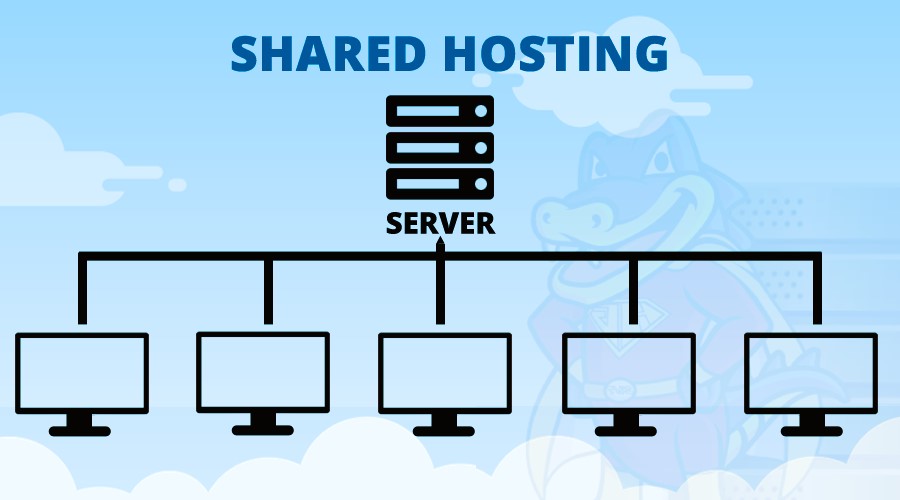
Shared hosting is one of the most popular and affordable hosting solutions available. It involves hosting multiple websites or applications on a single server, where resources such as CPU, RAM, and bandwidth are shared among users. While this option is often used for websites and smaller applications, some gamers consider shared hosting for hosting their online gaming servers. In this article, we’ll explore the pros and cons of using shared hosting for gaming to help you determine whether it’s a suitable option for your needs.
What is Shared Hosting?
Shared hosting is a hosting model where multiple users share the same server and its resources. It’s a cost-effective solution for individuals or businesses with low-to-moderate website traffic, as the server maintenance costs are distributed among many users. Shared hosting providers typically manage the server’s software, security, and updates, making it a convenient choice for beginners or those with limited technical knowledge.
However, when it comes to gaming, where performance, speed, and low latency are crucial, shared hosting might not be the ideal choice. Let’s dive into the pros and cons of using shared hosting for gaming.
Pros of Shared Hosting for Gaming
1. Low Cost
One of the biggest advantages of shared hosting is its affordability. Compared to other hosting solutions like VPS (Virtual Private Server) or dedicated hosting, shared hosting offers significantly lower prices. For gamers on a tight budget who are just starting out or hosting a small, private server, shared hosting can be a cost-effective option.
2. Easy to Set Up
Shared hosting is typically very user-friendly, especially for those who don’t have advanced technical knowledge. Hosting providers often offer one-click installations for game server software, so you don’t need to worry about manually configuring the server. This ease of use is beneficial for gamers who want to focus on playing rather than managing complex server configurations.
3. Managed Services
With shared hosting, the hosting provider usually takes care of the server’s maintenance, software updates, and security patches. This means that you don’t have to worry about server management or troubleshooting. For gamers who prefer a hassle-free experience, this can be a major benefit.
4. Sufficient for Small Games or Testing
If you are running a small gaming server with a limited number of players, shared hosting might work for you. It’s also suitable for testing new game modes or configurations before scaling up. For smaller communities or games that don’t demand a lot of resources, shared hosting can be adequate. Understanding the role of SSD hosting in increasing the speed of a game server, read more in this article.
Cons of Shared Hosting for Gaming

1. Limited Performance and Resources
One of the biggest drawbacks of shared hosting is the limitation on resources. Since multiple users share the same server, the resources like CPU, RAM, and bandwidth are divided among all users. This can lead to slower performance, lag, and crashes, especially when the server experiences high traffic or more demanding game sessions. For high-performance games or larger multiplayer servers, shared hosting is not ideal.
2. Latency and Lag
In online gaming, low latency and fast response times are crucial for smooth gameplay. With shared hosting, the server’s resources are shared with many other users, which can result in increased latency and lag. This is especially problematic for fast-paced games where timing is critical. If other users on the same server consume too much bandwidth or CPU, it can negatively affect your gaming experience.
3. Lack of Customization
With shared hosting, you have limited control over server settings and configurations. Many shared hosting providers restrict access to certain features, meaning you may not be able to install custom mods, adjust game server settings, or install third-party software. This lack of flexibility can be a major disadvantage for gamers who want a more personalized server experience.
4. Security Risks
Because multiple users share the same server, security vulnerabilities in one user’s website or game can potentially affect other users on the same server. If another user is compromised, there’s a risk that their actions could impact your server. Although shared hosting providers often offer security measures, you still have limited control over the server’s security settings.
5. Not Scalable for Large Servers
Shared hosting is designed for smaller websites and applications. As your gaming server grows and attracts more players, shared hosting may not be able to handle the increased load. If your game becomes more popular and requires more resources, you may experience frequent crashes, slow performance, and downtime. At that point, upgrading to a VPS or dedicated server would be necessary.
When Should You Consider Shared Hosting for Gaming?
Shared hosting can be a good option in specific situations:
- For Small Groups: If you’re hosting a small gaming community with only a handful of players, shared hosting might be enough to meet your needs. This is ideal for testing game mods, running private servers with low player counts, or hosting a few friends.
- For Budget-Conscious Gamers: If you are just getting started and need a budget-friendly solution, shared hosting provides a low-cost entry point.
- For Casual Games: Shared hosting can work for less resource-intensive games or single-player games that don’t require constant high-speed interactions.
While shared hosting offers a budget-friendly and easy-to-use solution for beginners or small-scale gaming communities, it has limitations in terms of performance, scalability, and customization. For serious gamers, hosting larger servers, or those looking for a high-performance gaming experience, shared hosting is not the best option. As your gaming server grows, you may need to upgrade to a more robust solution, such as VPS or dedicated hosting, to ensure smooth gameplay and optimal performance.
If you’re looking to start small and experiment, shared hosting could be a cost-effective entry point. However, keep in mind that for larger or more resource-intensive games, shared hosting may not be able to meet your needs in the long run. For more detailed guidance on setting up a game server, you can visit Wikipedia’s Game Server Hosting page.